
Molokini Crater Morning Snorkel Tour
Price from
$129.00/person
- A morning crossing timed to the calmest water of the day, before trade winds build
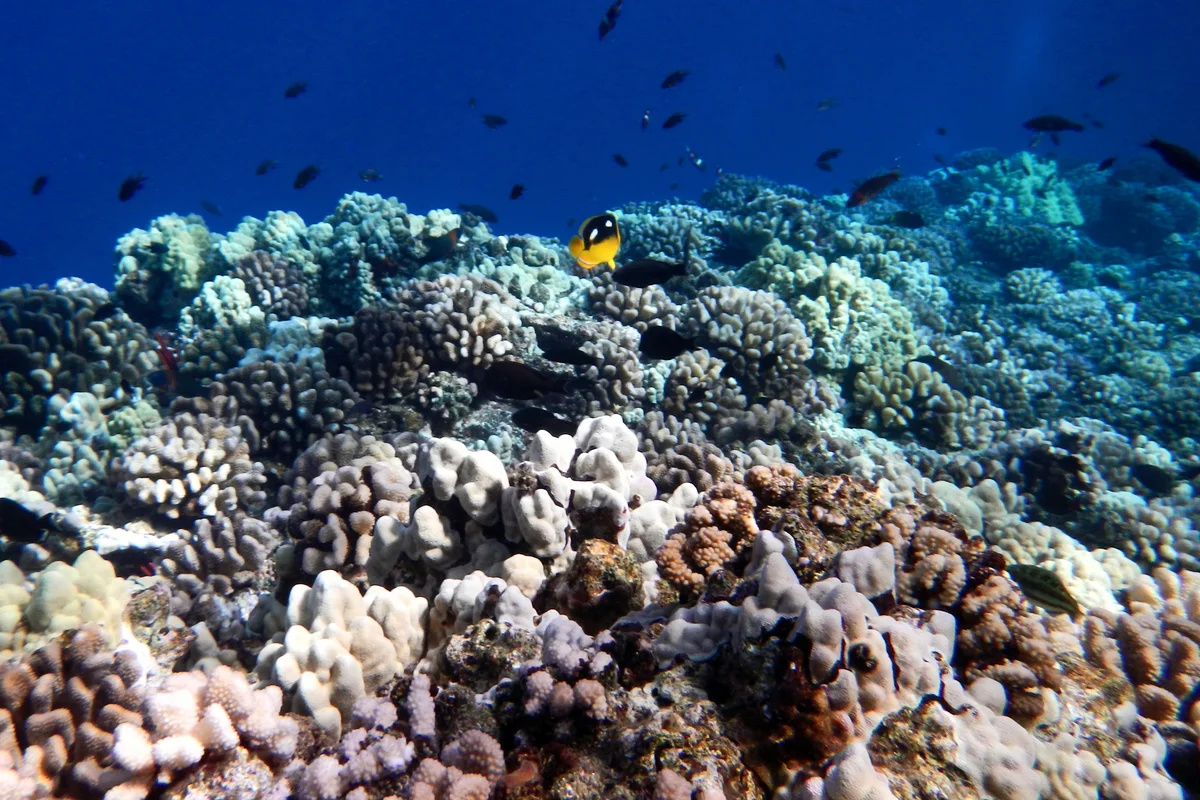
- Two to three hours snorkeling inside Molokini's protected crescent, visibility often past 100 feet
- Crew in the water with the group throughout, briefing everyone before the first entry
- Breakfast, a deli or barbecue lunch, and drinks included
- Maalaea Small Boat Harbor, 300 Maalaea Rd, Wailuku, HI 96793
- Mobile ticket
- Confirmation by email
- 5 hours (approx.)
Cancellation Policy
Refund Protection: full refund if you cancel 24 hours before departure. Without it, reschedule up to 72 hours ahead — no refunds.
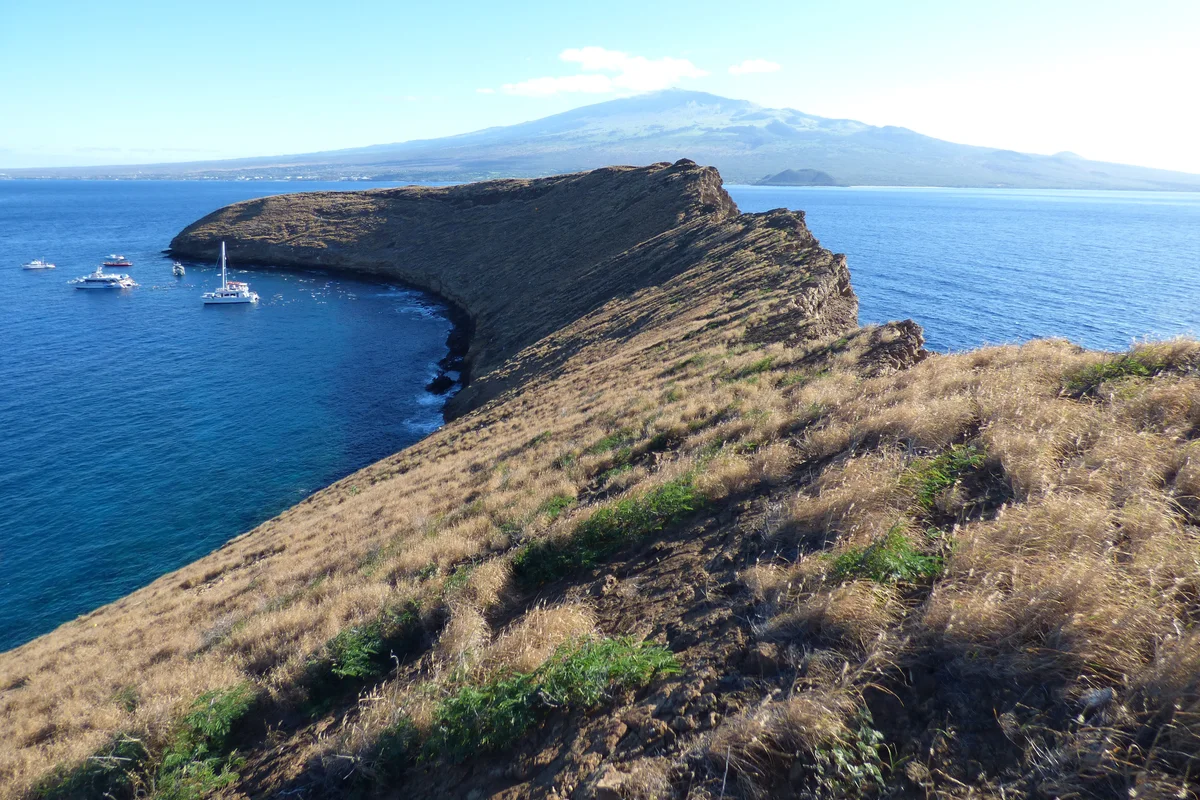
This is the tour most people mean when they say they are going to Molokini. A catamaran leaves Maalaea Harbor in the morning, crosses roughly three miles of open water to the crater in about fifteen to twenty minutes, and ties up to a mooring ball inside the crescent for two to three hours of snorkeling before heading back.
About this activity
- Duration 5 hours (approx.)
- Arrive 15 min before your departure
- Confirmation by email · Mobile ticket
- Refund Protection: full refund if cancelled 24 hours before departure
Highlights
- A morning crossing timed to the calmest water of the day, before trade winds build
- Two to three hours snorkeling inside Molokini's protected crescent, visibility often past 100 feet
- Crew in the water with the group throughout, briefing everyone before the first entry
- Breakfast, a deli or barbecue lunch, and drinks included
- Snorkel gear, prescription masks on request, and flotation aids for every ability
Full description
This is the tour most people mean when they say they are going to Molokini. A catamaran leaves Maalaea Harbor in the morning, crosses roughly three miles of open water to the crater in about fifteen to twenty minutes, and ties up to a mooring ball inside the crescent for two to three hours of snorkeling before heading back.
The reason this departure exists at this hour is the water, not the schedule. Trade winds build through the morning almost every day on this coast, so a boat that is moored and snorkeling by 7:30 or 8:00 AM gets water that is close to glassy — visibility here regularly runs past 100 feet, since no stream or storm drain feeds into the crater to cloud it. By early afternoon the same spot has a wind chop that makes the water murkier and the swim less comfortable, which is the real difference between a morning and afternoon tour.
Inside the crescent the wall drops gradually from the surface down past sixty feet, and most of what you see — parrotfish, butterflyfish, tangs, the occasional green sea turtle grazing along the rock — is in the first twenty feet, well within reach of a beginner wearing a flotation vest. Crew are in the water with the group the whole time, not watching from the rail.
Boats differ mainly in size and amenities rather than in what you see: a wider catamaran gives a smoother ride and more deck space, at the cost of being one of several boats moored in the crater at once on a busy morning. Breakfast (usually pastries or a light hot option) and a deli or barbecue lunch are standard, along with coffee, juice and water throughout.
This is grounds-and-water access only — there is no land to walk on inside Molokini, since almost the whole crater is submerged. If you want a second snorkel site added to the day, the Turtle Town combo covers that; if you want the earliest, calmest water of all, see the early-bird departure.
Schedule
Morning departure
- Molokini sits in open water between Maui and Kahoolawe, and trade winds build through the morning most days. The crossing and the snorkeling are close to glassy before about 9:00 AM and noticeably choppier by early afternoon — which is the real reason the earliest departures sell first, not because the crater looks different at 7:00 AM.
- Boarding begins fifteen minutes before departure at your operator's slip in Maalaea Harbor.
- One morning departure daily, weather permitting. Molokini's daily boat allocation is limited by the state, so summer mornings can sell out a few days ahead.
Meeting point
Maalaea Harbor — Maalaea Small Boat Harbor, 300 Maalaea Rd, Wailuku, HI 96793
Maalaea sits on the isthmus between West Maui and South Maui, where the highway crosses from Kihei toward Lahaina — locals call it the windiest harbor in the Pacific, which is a fact about the parking lot, not the boats. Check in at the booth or trailer for your boat's operator, not at a shared ticket office; the harbor has several companies loading from adjacent slips.
View on Google MapsImportant information
- Boarding opens 15 minutes before your scheduled departuretime.
- Please arrive 15 minutes before that.
- Minimum 1 adult and a maximum of 24 guests per booking.
Gear and instruction
- Mask, snorkel, fins and a flotation aid — a noodle or a vest — are included and sized on board. Prescription masks are available on most boats if you ask in advance; bring your prescription strength if you know it.
- Crew give a briefing on the swim area, the mooring line, and where the current runs before anyone is in the water, then stay in the water with the group rather than watching from the boat.
- You do not need to know how to swim well to snorkel here. A flotation vest and a crew member nearby cover most of what non-swimmers worry about; tell the crew at check-in if you would like extra attention in the water.
- Underwater cameras and GoPros are welcome. A few boats rent them; most people bring their own.
Molokini's rules
- Molokini has been a State Marine Life Conservation District since 1977, one of the first in Hawaii. Boats moor to a fixed mooring ball rather than anchoring — the crater floor is protected coral and volcanic rock, not sand.
- No touching coral or marine life, no standing on the reef, and no feeding fish — reef fish that learn to expect food from snorkelers lose the foraging behaviour that keeps the reef itself healthy.
- Fishing and collecting anything, living or dead, is prohibited without a state permit. That includes shells and coral fragments off the bottom.
- The rules are the reason the water here still looks the way it does. No stream or storm drain empties into Molokini, which is the other half of the answer — but the conservation district has kept it from being loved to death the way accessible reefs elsewhere have been.
The crossing and seasickness
- The channel between Maui and Kahoolawe gets a wind chop most afternoons, and it is the one part of the day that catches people out. If you are prone to motion sickness, take a non-drowsy remedy the night before and again an hour before boarding — waiting until you feel queasy is too late for most of them to work.
- Sit low and centred in the boat and watch the horizon rather than a phone screen during the crossing; both help more than most people expect.
- Morning departures cross calmer water than afternoon ones, which is worth factoring in if you know seasickness is an issue for you.
Cancellation policy
Refund Protection: full refund if you cancel 24 hours before departure. Without it, reschedule up to 72 hours ahead — no refunds. Bookings without Refund Protection are non-refundable. To cancel an eligible booking, head to Manage Booking.
Common questions
- Do I need to be a strong swimmer?
- No. A flotation vest and a crew member in the water with the group cover most of what nervous or non-confident swimmers need. Molokini's inside crescent is also unusually calm compared with a shore snorkel, since the crater wall blocks most of the swell. If you have real concerns, mention it at check-in so the crew can keep an eye on you specifically.
- How long are we actually in the water?
- Typically two to three hours moored at Molokini, split as the crew judges the conditions — sometimes as one long swim, sometimes broken by a break for food. The rest of the roughly five-hour day is the crossing each way, boarding, and the safety briefing.
- Why can't I touch anything or take a shell?
- Molokini has been a protected State Marine Life Conservation District since 1977. Boats moor to a fixed ball instead of anchoring, nothing living or dead may be collected, and standing on or touching coral damages a structure that takes decades to grow back. It is the reason the water here has stayed this clear and this full of fish while other easily reached reefs have not.
- What should I bring?
- Reef-safe sunscreen (mineral, not chemical — most boats now ask for this specifically, and some check), a rash guard or swimsuit you can snorkel in, a towel, and a light layer for the boat ride, which is breezier than the beach. Leave valuables at the hotel; boats have limited secure storage.
- What happens if the weather is bad?
- Molokini boats sail in typical trade-wind conditions — some wind and chop is normal Maui weather, not a reason to cancel. Trips are called off only for conditions the operator judges unsafe, such as small-craft advisories or unusually large surf. If that happens on your date, you are moved to another available departure or refunded in full.
You May Also Like
 5 hours
Luxury Sail & Snorkel
The same crater, a smaller group, a proper sailing crossing, and a lunch that does not come off a folding table.
- Departs
- Sail & snorkel
- Best for
- Couples and special occasions
From
$179.00
 5 hours
Family Snorkel Adventure
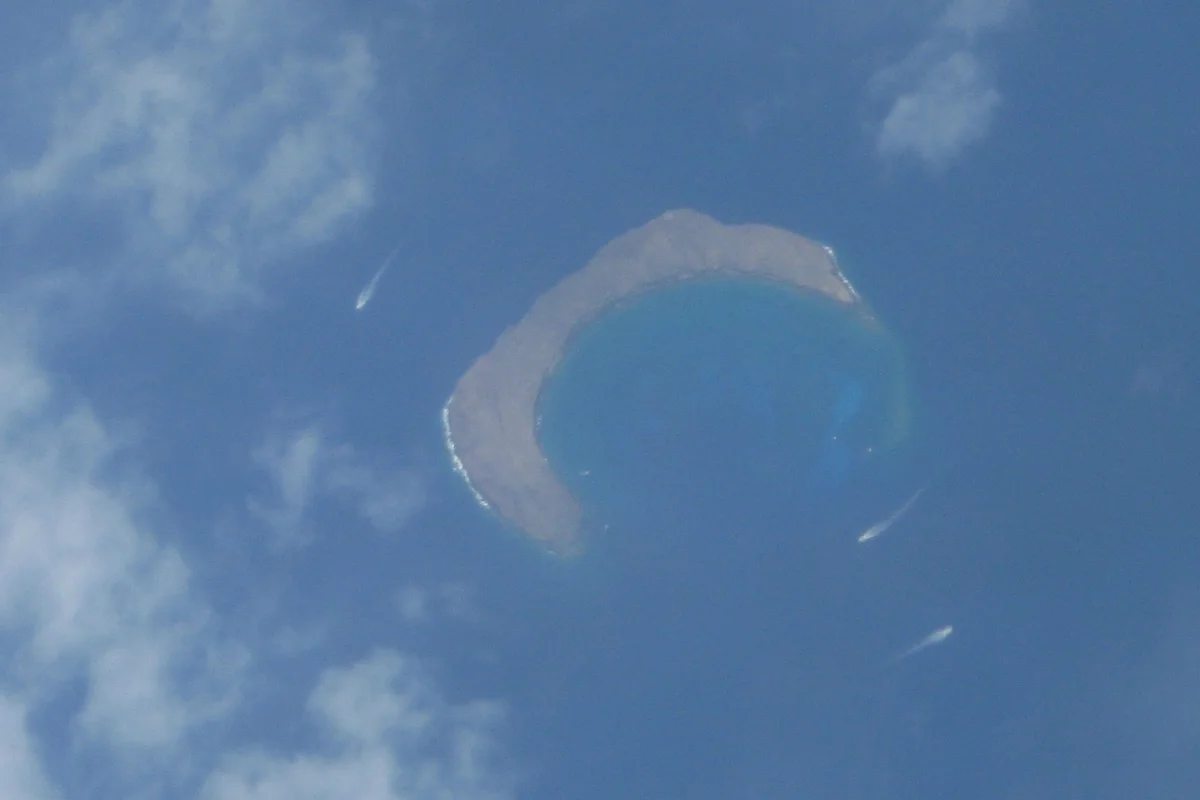
The same crater, timed and equipped for a boat full of kids rather than a boat full of divers.
- Departs
- Snorkel tours
- Best for
- Families with young snorkelers
From
$129.00
 5.5 hoursDec – Apr
Molokini & Whale Watch
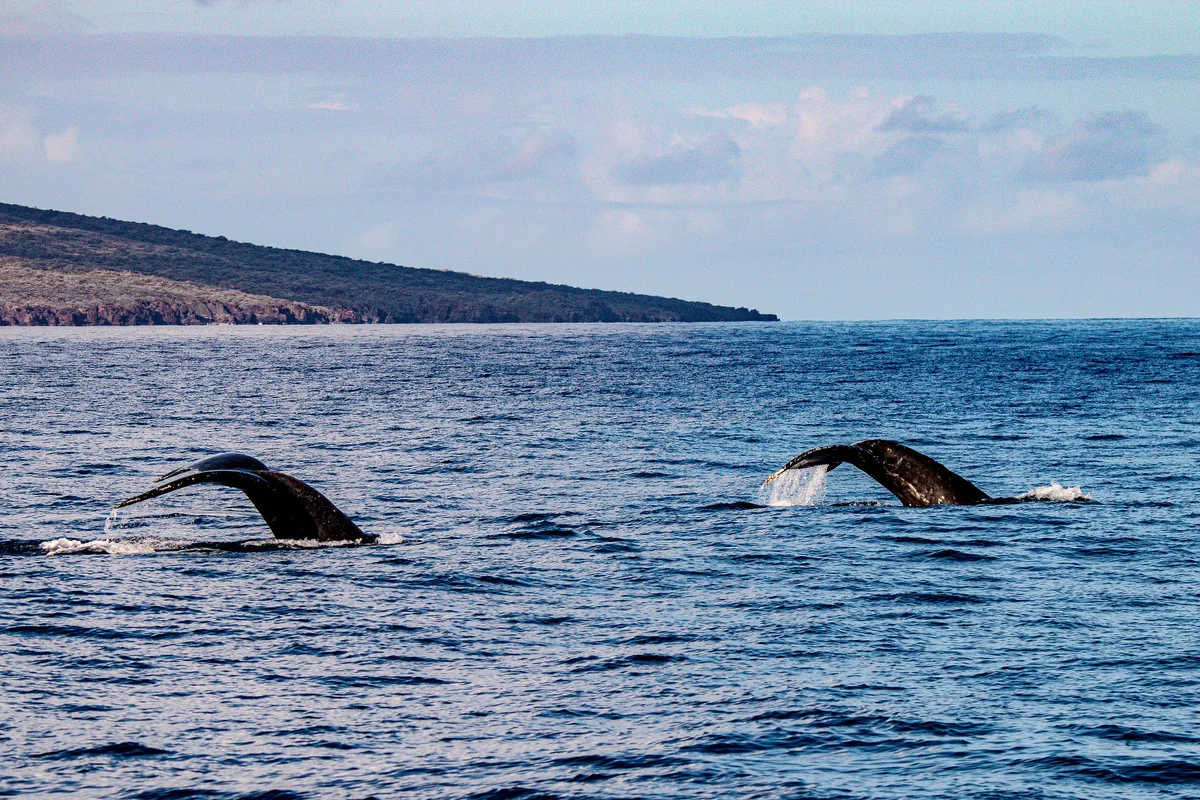
The regular Molokini crossing, in the months humpback whales are in the same water you're sailing through.
- Departs
- Seasonal
- Best for
- Winter and spring visitors
From
$149.00